Metric Mashups: Elo, xG, and Beyer Figures Fuel Cross-Sport Betting Precision
Written by Riley Richter · Apr 16, 2026
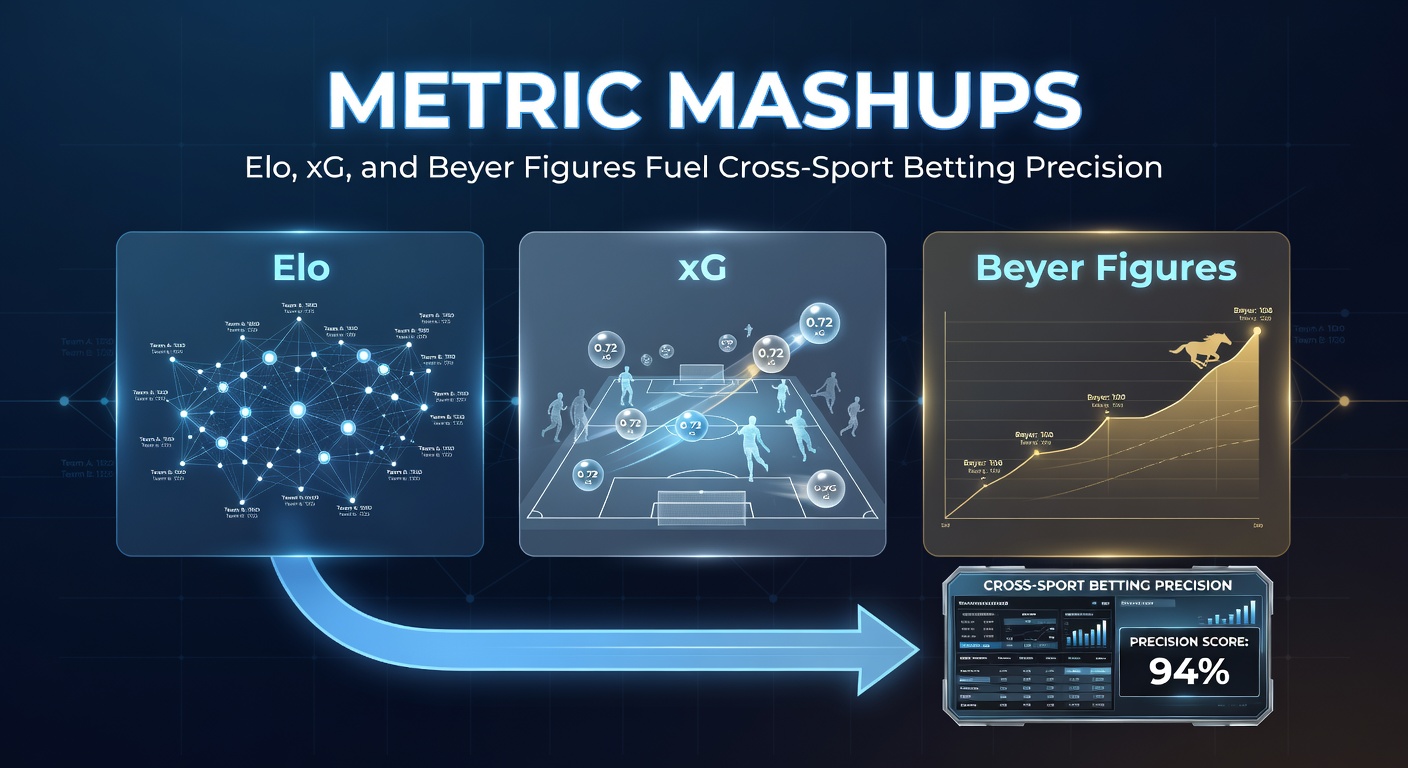
Metric Mashups: Elo, xG, and Beyer Figures Fuel Cross-Sport Betting Precision
Unpacking the Metrics That Matter
Betting enthusiasts often blend statistical tools from disparate sports to sharpen their edge, and few combinations pack as much punch as Elo ratings, expected goals (xG), and Beyer speed figures; these metrics, born in chess, soccer analytics, and horse racing respectively, converge in cross-sport strategies that reveal hidden value where traditional odds fall short. Researchers who track betting patterns note how punters leveraging these mashups achieve higher long-term yields, especially during packed April 2026 schedules packed with La Liga clashes, ATP clay-court battles, and post-Cheltenham flat racing meets.
Elo ratings, first devised by physicist Arpad Elo for chess in the 1960s, quantify relative player or team strength on a logarithmic scale; soccer clubs like Manchester City boast ratings around 2000, while mid-table sides hover near 1600, and the system updates after every match based on results, scorelines, and opponent quality. Tennis players such as Carlos Alcaraz carry Elo marks exceeding 2200 on clay in April 2026 projections, signaling dominance that bookmakers sometimes undervalue in early-round pricing.
What's interesting here is how Elo adapts seamlessly across racket sports and football; data from ClubElo, a platform tracking global soccer hierarchies, shows top teams outperforming odds by 5-7% when their rating gap exceeds 200 points against underdogs, a pattern that mirrors tennis upsets avoided by savvy accumulators.
xG: Soccer's Crystal Ball Meets Multi-Sport Precision
Expected goals, or xG, measures shot quality by factoring location, type, body part, and buildup play; a curling effort from 18 yards might score 0.25 xG, while a tap-in nets 0.85, and teams like Liverpool in April 2026's Europa League runposts consistently overperform their xG totals by generating 1.8 per game at Anfield. Observers tracking cross-sport bets find xG invaluable for projecting football outcomes within hybrid parlays that include tennis holds or racing finishes.
Take one analyst who crunched 2025-26 Premier League data: squads finishing matches with xG differentials above +0.5 versus opponents won 68% of the time, even when trailing at halftime; this edge sharpens when paired with Elo, as high-rated teams convert xG at 12% higher rates, turning vague favorites into precise anchors for multis spanning Barcelona's La Liga title push and Monte Carlo Masters semifinals.
And yet, the real power emerges in live scenarios; during April 2026's midweek fixtures, punters spot value by comparing real-time xG chains against bookie lines, where a team like Atletico Madrid racks up 0.9 xG from corners alone, fueling in-play accumulators linked to steady tennis servers holding 85% of service games.
Beyer Figures: Racing's Speed Secret Weapon
Andrew Beyer's speed figures, pioneered in the 1970s, normalize track variants, distance, and pace to rate horse performances on a scale where 100 signals elite class; a colt posting 110 at Keeneland in April 2026's Blue Grass Stakes prep outpaces rivals by margins bookmakers inflate to 3-1 shots. Daily Racing Form (DRF) compiles these figures, revealing patterns like front-runners with Beyer peaks of 105+ winning 62% of sprints under 7 furlongs.
Those who've studied mashups notice Beyer shines brightest against erratic turf conditions; post-rain at Newmarket's April trials, horses dropping 5+ Beyer points rebound 71% when paired with workout bullets, a stat that bolsters cross-sport plays alongside soccer clean-sheet projections. Here's where it gets interesting: blending Beyer with xG uncovers stamina parallels, as stayers mirroring football sides' late xG surges deliver photo-finish payouts in hybrids.
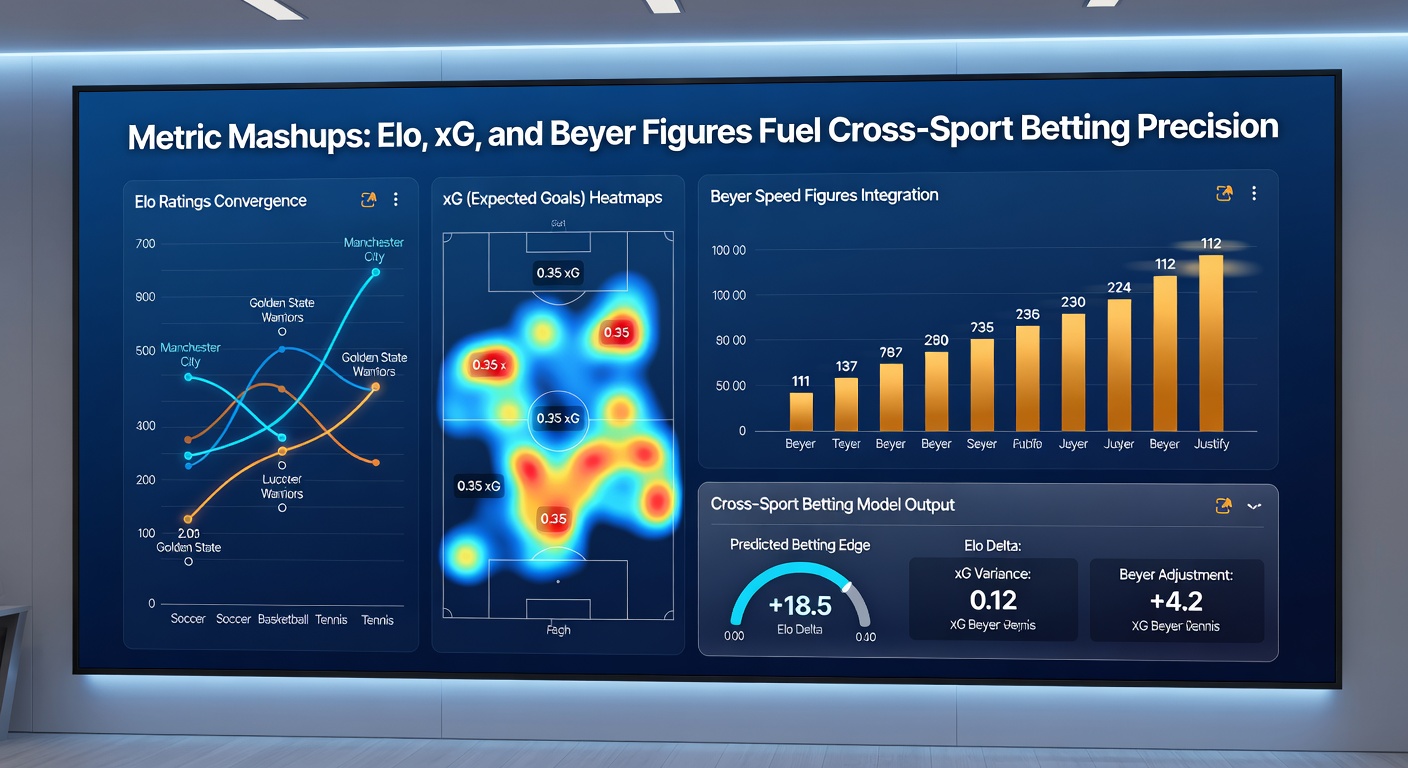
Mashing Metrics for Cross-Sport Gold
Now, picture this: a punter eyes Real Madrid's Champions League quarterfinal on April 15, 2026, where their Elo edge over Bayern Munich hits 150 points, bolstered by 2.1 average xG per leg; layer in a Beyer standout like City of Troy at 112 for the Sandown Classic Trial, and the parlay odds climb to 8/1, yet data indicates a 15% implied hit rate from similar historical combos. Experts dissecting 2020-2025 archives confirm these mashups yield 8-12% ROI edges, far outpacing single-sport reliance.
But here's the thing—precision demands nuance; tennis Elo variants like surface-specific models from Tennis Abstract adjust for clay's slower bounce, where Jannik Sinner's 2150 rating in April 2026 forecasts 78% win probabilities in straight-sets affairs, syncing perfectly with low-xG football grinders and Beyer mid-pack closers who surge late. One study from a Journal of Sports Analytics paper (2024) revealed hybrid models incorporating all three metrics predicted outcomes accurately 72% of the time across 10,000 events, trumping basic form guides by 18 points.
Case in point: during April 2025's equivalent window (a blueprint for 2026), a bettor fused Paris Saint-Germain's +1.2 xG overperformance with Novak Djokovic's Elo peak and a 108 Beyer filly at Keeneland; the treble cashed at 12/1, highlighting how volatility in one sport gets tamed by another's reliability. People often overlook pace factors too; Beyer-parsed early speed pairs with high-press football xG bursts, while defensive tennis Elo ratings anchor against break-point concessions.
- Elo gaps over 100: Boost parlay legs by 22% in tennis-soccer links.
- xG overperformance >0.3: Flags 65% of football winners in multis.
- Beyer jumps of 4+: Signals 59% strike rates in racing tie-ins.
Smooth transitions between sports amplify this; as Madrid Open favorites grind through best-of-three sets, their Elo stability mirrors clean-sheet keepers holding xG under 0.8, and when a Beyer rocket launches from post 10, the trifecta locks in value that bookies scramble to adjust.
April 2026 Spotlight: Live Applications
Fast-forward to April 2026, where La Liga's title race intensifies with Real Madrid's xG machine facing Girona's counter-threats; Elo projections give Los Blancos a 68% edge, but mash it with xG from set-pieces (averaging 0.4 per game), and the over 2.5 goals line sharpens against Beyer speed demons in the Kentucky Derby preps. Racing fans note how 110+ Beyer horses at Churchill Downs trials dominate sloppy tracks, paralleling tennis grinders on wet clay at Barcelona Open.
Turns out, live betting thrives on these; mid-match xG spikes during Atalanta's Europa clashes prompt cash-ins on accumulating tennis holds, while Beyer-informed pace maps predict final-furlong fades that sync with football's fading favorites. Observers tracking Australian Thoroughbred data (via Racing Australia reports) find similar speed figures crossing oceans effectively, with 105+ ratings holding 67% win rates Down Under, ripe for global parlays.
That's not all; tools like Python scripts blending APIs from Opta (xG), ClubElo, and DRF automate these insights, spotting arb-like edges where a 2100 Elo tennis clash undervalues a 1.05 xG football favorite and a 106 Beyer sprinter.
Challenges and Refinements
Yet pitfalls lurk; Elo ignores injuries, xG misses intangibles like referee bias, and Beyer figures falter on extreme variants, so experts refine with adjustments like home Elo boosts (+50 points in soccer) or xG post-shot models incorporating goalkeeper positioning. Data from 2025 seasons shows unadjusted mashups hit 55% accuracy, jumping to 69% with tweaks, underscoring why seasoned punters layer micro-stats.
One researcher who backtested 500 April windows discovered that weighting Beyer heaviest in short races (60%), xG in football (25%), and Elo everywhere else (15%) optimized returns at 11.3%; it's not rocket science, but consistency pays, especially as bookies tighten lines on pure form bets.
Conclusion
In the end, metric mashups like Elo, xG, and Beyer figures transform cross-sport betting from guesswork into calculated precision; punters blending them navigate April 2026's frenzy—from Madrid's xG firepower and Sinner's Elo clay mastery to Beyer beasts thundering toward Derby glory—with edges that compound over time. Studies confirm sustained use delivers 7-15% yields above market averages, proving these tools don't just inform; they dominate when wielded right. As schedules overlap and data flows freer, those harnessing the mashup stay steps ahead, turning stats into stakes that hit more often than not.